








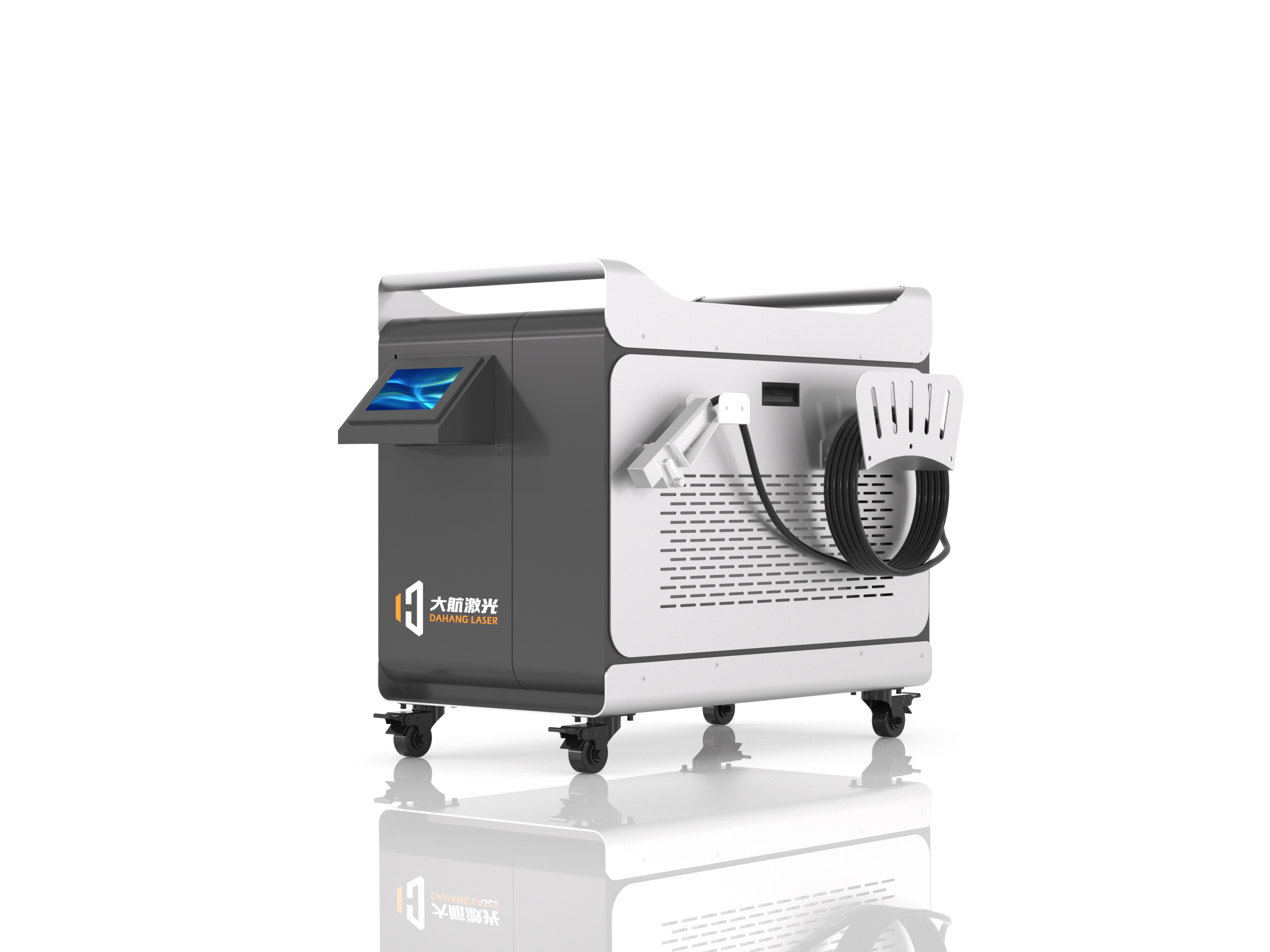
Water-Cooled Continuous Laser Cleaner
Power 1000 / 1500 / 2000 / 3000 / 6000 W
Cooling Water
Modes CW / Modulated
Use Shipbuilding, pipelines, steel structures
Dahang Laser provides Pulsed 200–300W for low-heat precision cleaning, and Water-Cooled Continuous 1000–6000W for high-efficiency industrial removal. Water-cooled models support 4-in-1 / 3-in-1 functions (clean · weld · cut · polish).
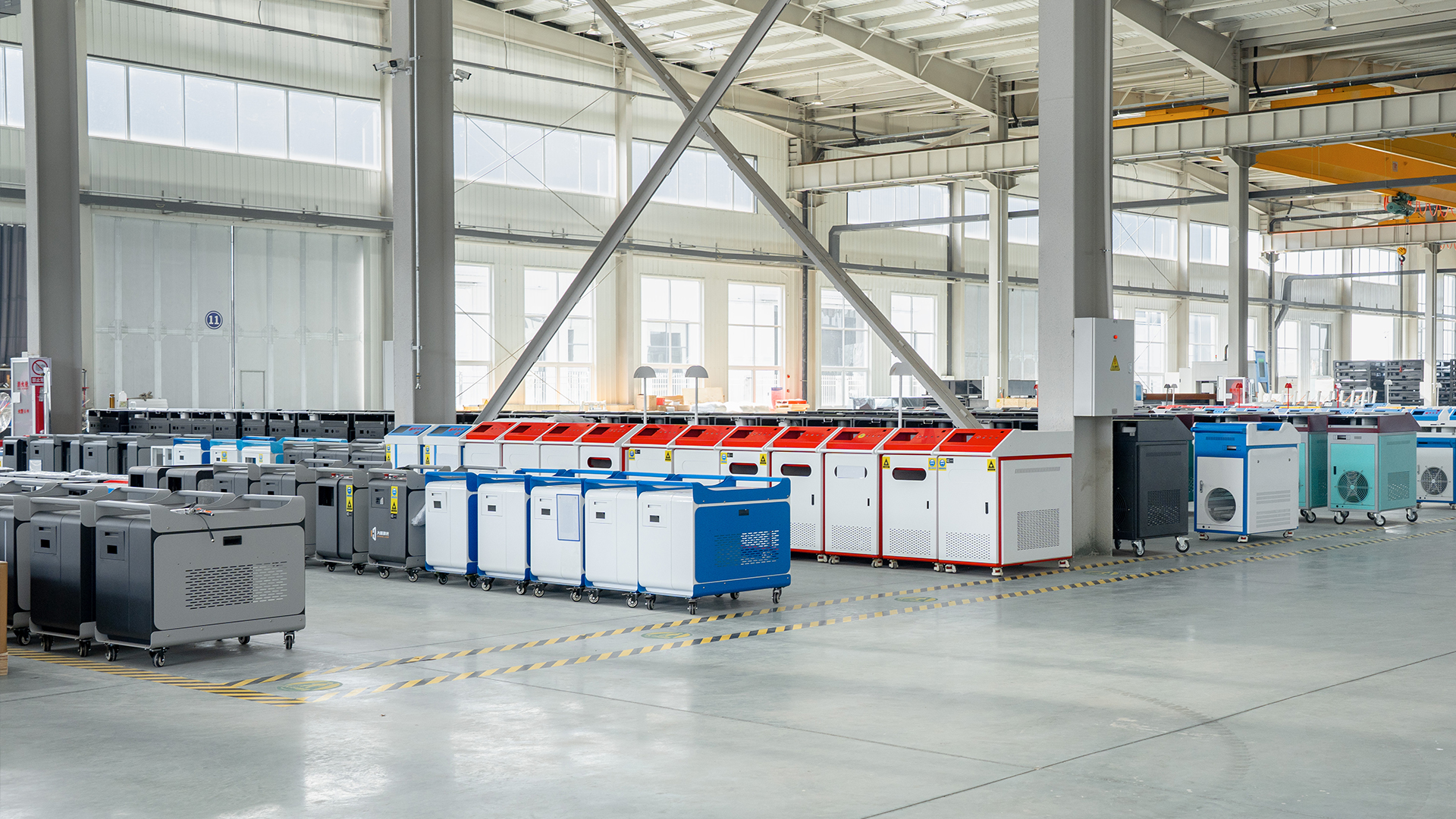
Select the model that matches your substrate sensitivity, removal thickness, and productivity goals.
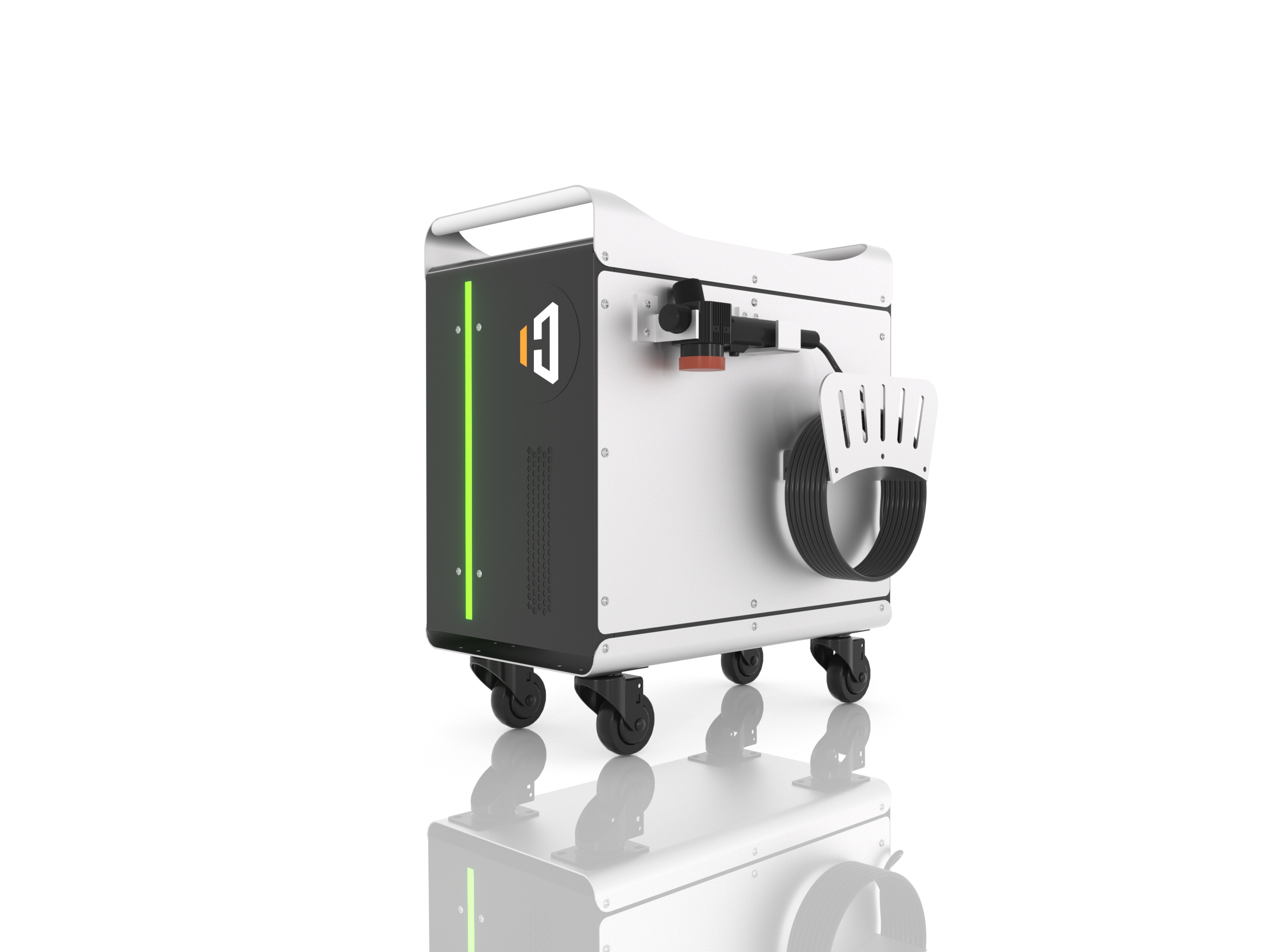
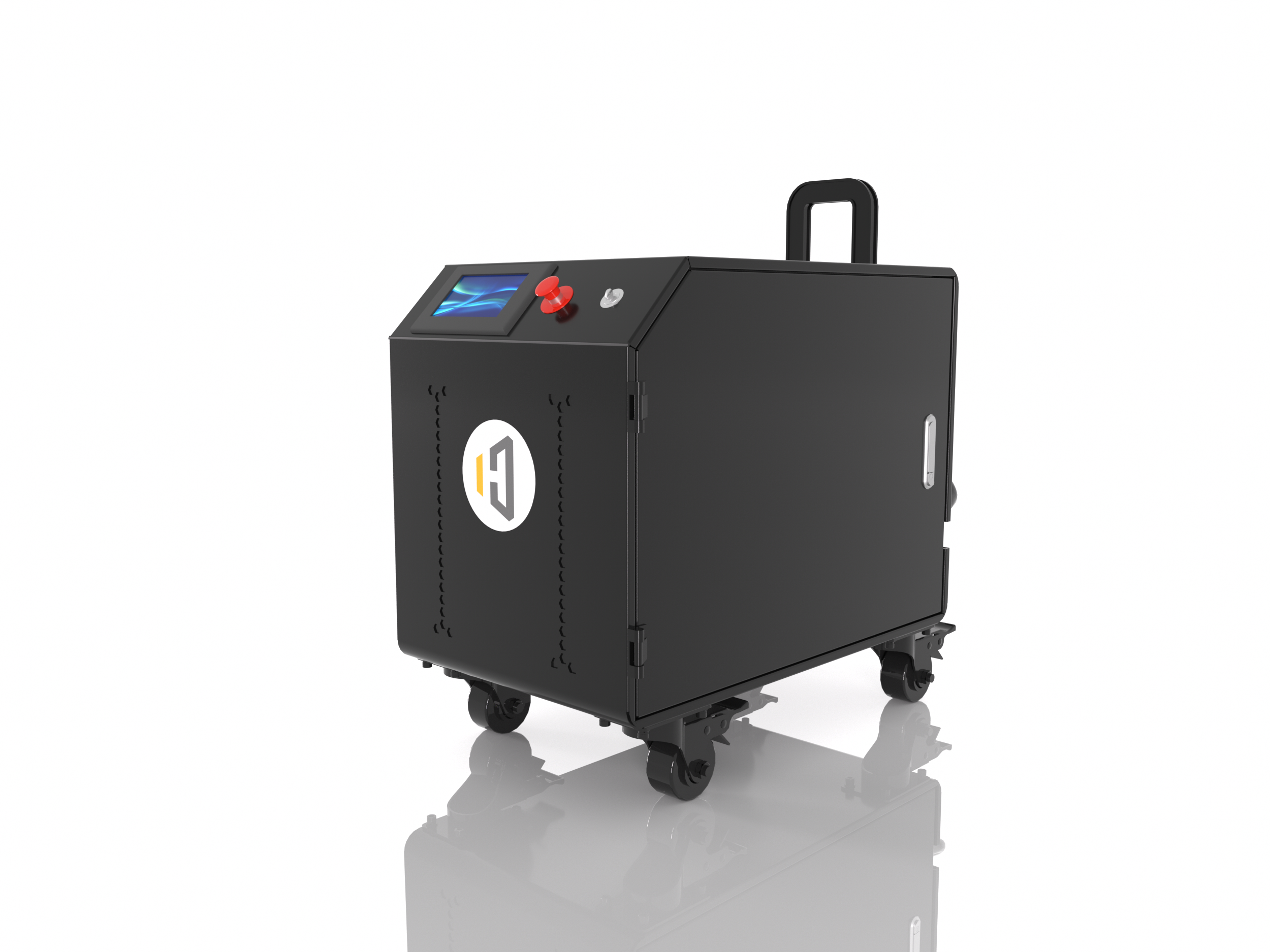

Pulsed 200–300W: low-heat, precise removal for sensitive substrates and thin layers (molds, restoration, selective coating removal).
Water-cooled CW 1000–6000W: highest throughput for large areas and heavy rust/paint; supports 4-in-1 / 3-in-1 multi-functions.
| Method | Substrate Safety | Consumables | Mobility | Typical Use |
|---|---|---|---|---|
| Laser Cleaning | ★★★★★ (controlled heat) | None | Handheld/portable | Rust, paint, oil/oxide, molds |
| Chemical | ★★ | Chemicals | Average | Coating dissolution |
| Dry-Ice | ★★★ | Dry ice | Limited | Oil & residue |
| Sandblasting | ★ | Abrasive media | Low | Aggressive removal (risk of damage) |
| Power | 1000 / 1500 / 2000 / 3000 / 6000 W |
|---|---|
| Modes | CW / Modulated |
| Fiber core | 200–400 μm |
| Functions | Supports 4-in-1 (clean / weld / cut / polish) and 3-in-1 |
| Input | 3-phase AC |
| Cooling | Water |
| Power | 200 / 300 W |
|---|---|
| Pulse width | 10–350 ns (options) |
| Repetition | 10–2000 kHz (per model) |
| Cooling | Air (portable) / Small water (desktop) |
Answers from the perspective of a factory manufacturer of fiber laser cleaning systems.
Pulsed 200–300W delivers high peak power with short pulses so energy couples mainly with contaminants rather than base metal—keeping the heat-affected zone minimal. With water-cooled CW 1–6kW, we tune spot size, scan speed and wobble amplitude; with correct parameters the substrate stays intact while removal rate is high.
We recommend quick coupon tests on your actual material to lock safe parameters.
Typical cases: rust/oxide, paint and coatings, oil/grease, weld-prep oxides, adhesives, and mold residues. Pulsed units suit thin, delicate layers and precision areas; CW excels on thick rust, heavy paint, and large surfaces.
Pick 200–300W pulsed for sensitive substrates, small parts or selective cleaning. Choose 1–6kW CW for high throughput on large parts or thick coatings. If you also need welding/cutting/polishing, our CW platform supports 4-in-1 / 3-in-1 with quick-change heads.
Systems are Class 4 lasers. Use wavelength-rated eyewear, interlocked enclosures or safe zones, SOPs and operator training. Provide effective fume extraction and filtration to capture particulates and vapors; never operate unattended.
Fiber lasers have few wear parts. Routine tasks: nozzle care, protective window cleaning/replacement, lens inspection; for CW models, chiller water maintenance. No chemical consumables—main costs are electricity and filter media.
Laser is precise, dry, and consumable-free with minimal substrate impact; chemicals require handling/disposal; dry-ice has logistics/noise limits; sandblasting is aggressive and can damage surfaces. Many factories use laser for critical areas and keep other methods for secondary work.